Dental Implants Near Bishop’s Cleeve
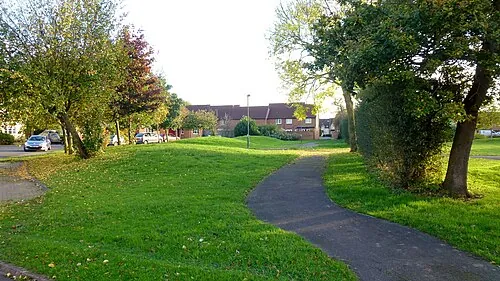
Bishop’s Cleeve is a large village a few miles north of Cheltenham, beneath the slopes of Cleeve Hill. Its historic centre around St Michael and All Angels Church has been joined by extensive newer housing, and it has its own shops, schools and services, including a dental practice that publicly offers implants.
This page lists implant practices in and near Bishop’s Cleeve, then looks at something that matters just as much as the treatment itself: how to look after implants so they last.
Implant Clinics Near Bishop’s Cleeve
These practices near Bishop’s Cleeve publicly list dental implant treatment. They are shown in no particular order of merit.
-
Greyholme Dental Suite
Church Road, Bishop’s Cleeve, Cheltenham GL52 8LR
Enquire with this practice -
Pittville Lawn Dental & Implant Clinic
6 Pittville Lawn, Cheltenham GL52 2BD
Enquire with this practice -
Cheltenham & Cotswold Dental
145 Hales Road, Cheltenham GL52 6TD
Enquire with this practice -
NUYU Dental & Aesthetics
64 Winchcombe Street, Cheltenham GL52 2ND
Enquire with this practice -
Arden House Dental & Cosmetic Clinic
Arden House, 232 London Road, Charlton Kings, Cheltenham GL52 6HW
Enquire with this practice -
Confident Dental and Implant Clinic
236 Prestbury Road, Cheltenham GL52 3EY
Enquire with this practice
Listings show practices that publicly advertise implant treatment, compiled from public sources in November 2026. Enquiries are handled by Dental Implants Cheltenham, an independent directory, and passed to the practice with your consent. Inclusion is not a recommendation, and no practice pays to appear in this list. Before booking, check the dentist on the GDC register and the practice’s CQC report. Practice owners can request a correction or removal.
See every implant clinic in Cheltenham.
Getting to Appointments from Bishop’s Cleeve
Having a practice in the village means routine reviews and hygiene appointments can be fitted in easily. If you choose a practice in Cheltenham instead, the drive down the A435 Evesham Road is usually straightforward outside peak times.
When comparing practices, ask how often they recommend implant reviews and hygiene visits and what those appointments cost, so you can budget for aftercare as well as treatment.
Looking After Dental Implants for the Long Term
Implants cannot decay, but the gum and bone around them can become diseased. Plaque that builds up around an implant can cause inflammation of the gum (peri-implant mucositis), which is reversible with good cleaning. If it progresses, it can lead to peri-implantitis, where the bone holding the implant is lost. Peri-implantitis is one of the main reasons implants fail years after placement, and it is far easier to prevent than to treat.
Daily cleaning is the foundation. Brush twice a day, paying careful attention to the gum line around the implant crown or bridge. Use interdental brushes of the right size to clean between teeth and around implants, and consider a water flosser, especially for fixed bridges, where food can collect underneath. Your dentist or hygienist will show you the best tools for your particular restoration.
Professional maintenance is the second part. Most implant dentists recommend reviews and hygiene visits at regular intervals, often every three to six months to start with. At these visits the hygienist cleans around the implants with instruments that will not scratch them, checks the gums, and may take X-rays periodically to monitor bone levels. Many implant guarantees depend on keeping these appointments.
Risk factors matter too. Smoking significantly increases the risk of peri-implantitis, as does a history of gum disease. Poorly controlled diabetes slows healing and increases infection risk. Grinding or clenching can overload implants and loosen screws or chip crowns; a night guard may be recommended.
Watch for warning signs: bleeding when you brush around an implant, swelling, a bad taste, gum shrinking back, or a crown that feels loose. None of these should be ignored. Contact your practice promptly — early treatment is much more successful.
With good care, implants can last many years and often decades. The crowns or bridges on top may need replacing sooner due to normal wear, so it is sensible to factor that into long-term planning.
Peri-implantitis is easier to prevent than to treat. The single most useful habit is cleaning carefully where the crown meets the gum, using interdental brushes sized for the gap. Your hygienist can show you which sizes to use and check your technique at each visit.
Signs to look out for include bleeding when you brush around the implant, puffy or receding gum, and a bad taste. Report any of these at your next visit, or sooner if they persist.
Daily and Long-Term Implant Care
- Brush twice daily, focusing on the gum line
- Clean between teeth and around implants every day
- Use a water flosser under fixed bridges if advised
- Keep regular hygiene and review appointments
- Report bleeding, swelling or looseness straight away
Typical implant prices
Typical private prices people in Bishop’s Cleeve can expect at Cheltenham practices. Every practice sets its own fees.
- Single implant with crownAbout £2,000 – £3,000
- Implant-retained denture (per arch)About £5,000 – £13,000
- All-on-4 / full-arch fixed (per arch)About £12,000 – £25,000
- Bone graft or sinus lift (if needed)About £400 – £2,500
Typical UK private price ranges gathered from published practice and industry guides in 2026. Each practice sets its own fees and confirms them after a consultation and scan. Full cost guide.