Dental Implants Near Lansdown
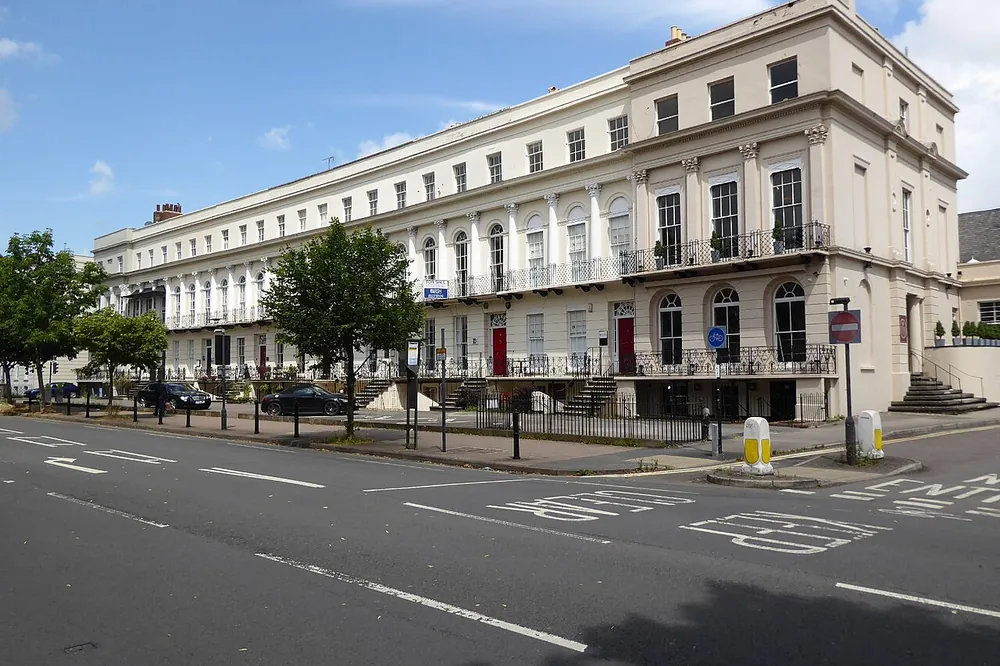
Lansdown is a short walk west of the town centre, best known for the sweeping Regency architecture of Lansdown Crescent and Lansdown Place, and for Cheltenham Spa railway station on its western edge. It is a mix of grand converted houses, flats and quieter residential streets.
Lansdown residents are close to the town centre practices and to an implant practice on Queens Road near the station. This page lists them and then explains a question that comes up more and more often: should an implant be titanium or zirconia?
Implant Clinics Near Lansdown
These practices near Lansdown publicly list dental implant treatment. They are shown in no particular order of merit.
-
Illume Smiles
3a Queen’s Road, Cheltenham GL50 2LR
Enquire with this practice -
Lovat House Dental
32 Christ Church Road, Cheltenham GL50 2PL
Enquire with this practice -
Cheltenham Dental Spa & Implant Clinic
1 Royal Crescent, Cheltenham GL50 3DB
Enquire with this practice -
Oriel Villas Dental Surgery
1 Oriel Villas, Oriel Road, Cheltenham GL50 1XN
Enquire with this practice -
Beyond Dental Cheltenham
27 Rodney Road, Cheltenham GL50 1HX
Enquire with this practice -
Regency House Dental Practice
4 Crescent Terrace, Cheltenham GL50 3PE
Enquire with this practice
Listings show practices that publicly advertise implant treatment, compiled from public sources in November 2026. Enquiries are handled by Dental Implants Cheltenham, an independent directory, and passed to the practice with your consent. Inclusion is not a recommendation, and no practice pays to appear in this list. Before booking, check the dentist on the GDC register and the practice’s CQC report. Practice owners can request a correction or removal.
See every implant clinic in Cheltenham.
Getting to Appointments from Lansdown
Being near the station makes Lansdown convenient for people who commute, and for those travelling into Cheltenham for treatment from elsewhere. Appointments can often be arranged around train times.
If you are interested in metal-free implants, ask practices whether they offer them before booking a consultation, as not all do.
Titanium or Zirconia Implants?
Titanium has been used for dental implants for decades and has the longest and most extensive research record. It integrates very reliably with bone, is strong and comes in a wide range of shapes and sizes, with many different components available for the crowns and bridges that attach to it.
Zirconia is a ceramic material that is white rather than grey. It is sometimes called a “metal-free” option. Some people prefer it for personal reasons, including concerns about metals in the body, although genuine titanium allergy is considered rare. Zirconia can also be useful at the front of the mouth in people with thin gums, where a grey titanium implant might show through as a shadow.
There are trade-offs. Zirconia implants have a shorter research history than titanium, especially over the long term. Many are made as a single piece, with the implant and abutment combined, which gives less flexibility in angling the crown. They can be less forgiving of overload, and fewer dentists place them routinely.
There is also a middle ground: a titanium implant with a zirconia abutment and crown. This combines the track record of titanium with tooth-coloured components above the gum, reducing the risk of a grey shadow at the front.
For most people, titanium remains the standard choice. Zirconia may be appropriate in particular situations or for patients with a strong preference. Either way, the skill and planning of the dentist matter far more than the material.
If you are considering zirconia, ask how many the dentist has placed, what system they use and what the research says about it, and what the plan would be if it doesn’t integrate.
Whatever the implant material, the crown on top can be made from several options, including porcelain fused to metal, all-ceramic and monolithic zirconia. At the front, all-ceramic crowns tend to give the most natural translucency; at the back, monolithic zirconia is very hard-wearing. Ask which the practice uses and why.
If you have a history of metal sensitivity, tell the dentist at your consultation. They can talk through what is known about titanium alloys and whether any testing would be useful.
Price differences between materials are usually modest compared with the overall cost of treatment, so it is better to choose based on what suits your mouth and your dentist’s experience than on small savings.
Titanium vs Zirconia at a Glance
- Titanium: longest track record, most flexible components
- Zirconia: white, metal-free, shorter research history
- Hybrid: titanium implant with zirconia abutment and crown
- Front teeth with thin gums may benefit from zirconia components
- The dentist’s experience matters more than the material
Typical implant prices
Typical private prices people in Lansdown can expect at Cheltenham practices. Every practice sets its own fees.
- Single implant with crownAbout £2,000 – £3,000
- Implant-retained denture (per arch)About £5,000 – £13,000
- All-on-4 / full-arch fixed (per arch)About £12,000 – £25,000
- Bone graft or sinus lift (if needed)About £400 – £2,500
Typical UK private price ranges gathered from published practice and industry guides in 2026. Each practice sets its own fees and confirms them after a consultation and scan. Full cost guide.