Dental Implants Near Leckhampton
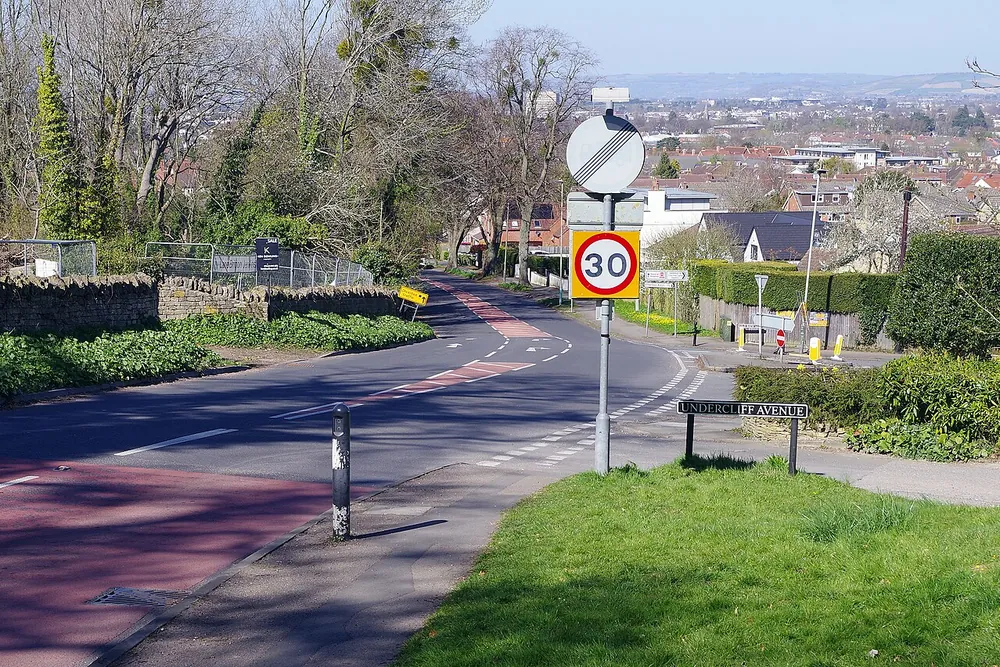
Leckhampton stretches from the busy shops and cafés along Leckhampton Road up towards the slopes of Leckhampton Hill, with its quarry trails and views across the town to the Malverns. It is a popular area for families and long-standing residents alike, with a mix of Victorian terraces, Edwardian villas and later houses.
There are dental practices in Leckhampton itself, and the town centre is a short drive or bus ride away. This page lists nearby practices that offer implants and then explains bone grafting — one of the most common reasons an implant treatment plan becomes longer or more expensive than people expect.
Implant Clinics Near Leckhampton
These practices near Leckhampton publicly list dental implant treatment. They are shown in no particular order of merit.
-
Arnica Dental Care
73 Leckhampton Road, Cheltenham GL53 0BS
Enquire with this practice -
Leckhampton Dental Clinic
31 Leckhampton Road, Cheltenham GL53 0BD
Enquire with this practice -
Cheltenham Dental Spa & Implant Clinic
1 Royal Crescent, Cheltenham GL50 3DB
Enquire with this practice -
Oriel Villas Dental Surgery
1 Oriel Villas, Oriel Road, Cheltenham GL50 1XN
Enquire with this practice -
Beyond Dental Cheltenham
27 Rodney Road, Cheltenham GL50 1HX
Enquire with this practice -
Regency House Dental Practice
4 Crescent Terrace, Cheltenham GL50 3PE
Enquire with this practice
Listings show practices that publicly advertise implant treatment, compiled from public sources in November 2026. Enquiries are handled by Dental Implants Cheltenham, an independent directory, and passed to the practice with your consent. Inclusion is not a recommendation, and no practice pays to appear in this list. Before booking, check the dentist on the GDC register and the practice’s CQC report. Practice owners can request a correction or removal.
See every implant clinic in Cheltenham.
Getting to Appointments from Leckhampton
Having a practice in Leckhampton or the south of town is convenient for the regular reviews and hygiene appointments that keep implants healthy. If grafting is part of your plan, you may need an extra appointment and a longer healing period, so being close to the practice is even more useful.
Some implant dentists carry out simpler grafts themselves and refer more complex cases to colleagues with additional surgical training. Ask who would carry out each stage of your treatment and where.
Bone Grafts and Sinus Lifts: What They Are and Why You Might Need One
An implant needs enough bone around it to hold it firmly and to keep the gum supported. After a tooth is lost, the bone that held it begins to shrink, because it no longer receives the stimulation of chewing. The loss is fastest in the first months after extraction and continues more slowly for years. People who have worn dentures for a long time, or who lost teeth to gum disease, often have significantly less bone than they started with.
When a scan shows there is not enough bone in the right place, your dentist may recommend a graft. Grafting material — which can be your own bone, processed bone from a donor source, animal-derived material or synthetic substitutes — is placed where it is needed, often covered with a membrane, and given time to become part of your own bone.
Small grafts are often done at the same appointment as implant placement, adding little to the overall timescale. Larger grafts, where the jaw has become too narrow or too short, may need to be done first, with the implant placed several months later once the graft has matured.
In the upper jaw, the back teeth sit just below the maxillary sinuses — air spaces in the cheekbones. After the upper back teeth are lost, the sinus can expand downwards while the bone below it shrinks, leaving too little height for an implant. A sinus lift gently raises the floor of the sinus and places graft material underneath, creating enough height. It can sometimes be done through the implant site itself, or through a small window in the side of the jaw for larger lifts.
Grafting adds cost — typically from a few hundred pounds for a small graft to a couple of thousand for a larger graft or sinus lift — and adds healing time. It also carries its own small risks, which your dentist should explain. In some full-arch cases, angling implants to avoid areas of poor bone (as in all-on-4) can reduce or avoid the need for grafting.
The best way to avoid needing a graft later is to plan early. If a tooth has to come out and you are considering an implant, ask about socket preservation — placing graft material into the socket at the time of extraction to limit the bone loss that follows.
Grafting Questions to Ask
- Do I need a graft, and how sure are you from the scan?
- What material will you use and why?
- Will it be done at the same time as the implant or beforehand?
- How much extra time and cost does it add?
- Is there an alternative, such as a shorter or angled implant?
Typical implant prices
Typical private prices people in Leckhampton can expect at Cheltenham practices. Every practice sets its own fees.
- Single implant with crownAbout £2,000 – £3,000
- Implant-retained denture (per arch)About £5,000 – £13,000
- All-on-4 / full-arch fixed (per arch)About £12,000 – £25,000
- Bone graft or sinus lift (if needed)About £400 – £2,500
Typical UK private price ranges gathered from published practice and industry guides in 2026. Each practice sets its own fees and confirms them after a consultation and scan. Full cost guide.