Dental Implants Near Pittville
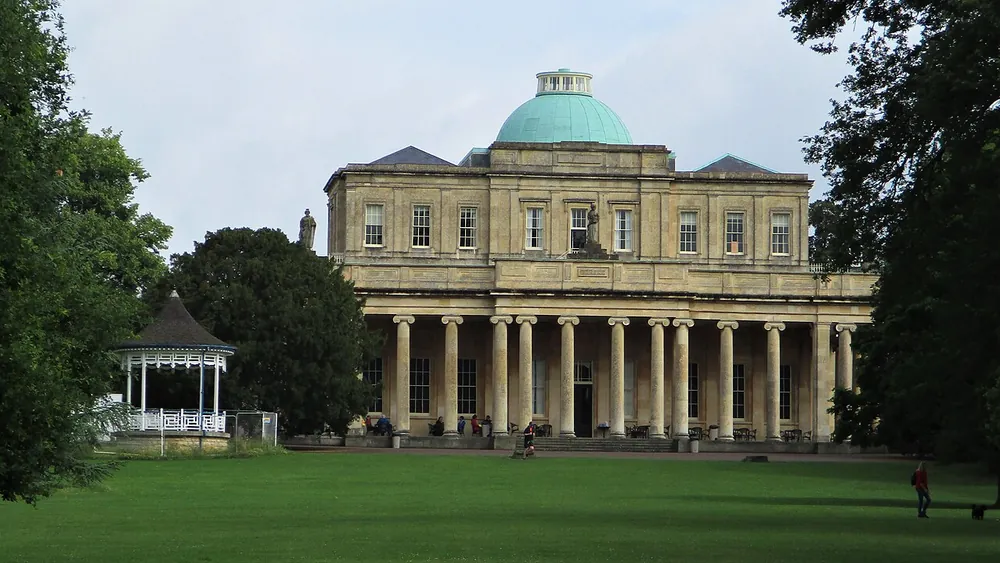
Pittville is one of Cheltenham’s most recognisable neighbourhoods: the Pump Room overlooking the park and lake, wide tree-lined roads and handsome Regency and Victorian villas, many now divided into flats. It sits just north of the town centre, so residents are within a short walk, cycle or bus ride of the main cluster of dental practices around the Promenade, Winchcombe Street and Royal Crescent — and there are implant practices within Pittville itself.
If you live in Pittville and are thinking about implants, this page lists nearby practices that publicly offer implant treatment and then looks in detail at one of the most common — and most demanding — reasons people search: replacing a front tooth.
Implant Clinics Near Pittville
These practices near Pittville publicly list dental implant treatment. They are shown in no particular order of merit.
-
Pittville Lawn Dental & Implant Clinic
6 Pittville Lawn, Cheltenham GL52 2BD
Enquire with this practice -
NUYU Dental & Aesthetics
64 Winchcombe Street, Cheltenham GL52 2ND
Enquire with this practice -
Cheltenham Dental Spa & Implant Clinic
1 Royal Crescent, Cheltenham GL50 3DB
Enquire with this practice -
Cheltenham & Cotswold Dental
145 Hales Road, Cheltenham GL52 6TD
Enquire with this practice -
Oriel Villas Dental Surgery
1 Oriel Villas, Oriel Road, Cheltenham GL50 1XN
Enquire with this practice -
Beyond Dental Cheltenham
27 Rodney Road, Cheltenham GL50 1HX
Enquire with this practice
Listings show practices that publicly advertise implant treatment, compiled from public sources in November 2026. Enquiries are handled by Dental Implants Cheltenham, an independent directory, and passed to the practice with your consent. Inclusion is not a recommendation, and no practice pays to appear in this list. Before booking, check the dentist on the GDC register and the practice’s CQC report. Practice owners can request a correction or removal.
See every implant clinic in Cheltenham.
Getting to Appointments from Pittville
For many Pittville residents the practical question is not whether treatment is available nearby but which practice to choose. Implant treatment usually involves a consultation, a scan, the placement appointment, at least one review during healing and the fitting of the final crown, followed by regular hygiene visits for years afterwards. Choosing somewhere easy to reach from home — on foot through the park, or a short trip down Evesham Road or Prestbury Road — makes that long-term care far more likely to happen.
Parking around Pittville and the town centre can be limited at busy times, especially during festivals and race meetings, so it is worth asking practices about parking or nearby car parks when you book longer appointments such as implant placement.
Front-Tooth Implants: Getting the Look Right
A missing front tooth is the gap people notice first, and it is often the one that prompts someone to look into implants. It might be a tooth damaged years ago in an accident that has finally failed, an old crown that has fractured at the root, or a baby tooth that never had an adult replacement. Whatever the cause, the aim is the same: a replacement that blends so well with the neighbouring teeth that nobody can tell.
That is harder at the front than at the back. Dentists talk about the “aesthetic zone” — the teeth that show when you smile — because success depends not only on the implant integrating with the bone but on the gum around it looking natural. The scalloped gum line between front teeth, the small triangles of gum known as papillae, and the exact shade and translucency of the crown all have to match.
Several factors affect how predictable a front-tooth result will be. Thin gum tissue can show a greyish shadow from a titanium implant underneath, which is one reason some dentists consider zirconia components at the front. The amount of bone on the outer side of the tooth socket is crucial; this bone is often very thin and can shrink quickly after an extraction. A high smile line, where lots of gum shows when you smile, makes any imperfection more visible.
To manage these risks, a dentist may recommend preserving or grafting bone at the time of extraction, grafting soft tissue to thicken the gum, or fitting a carefully shaped temporary crown for a few months to train the gum into the right contour before the final crown is made. Each step adds time and cost, but at the front it can make the difference between a good result and an excellent one.
During the healing period you will not usually be left with a gap. Options include a small removable plate with a tooth on it, a temporary bonded tooth attached to the neighbours, or — in suitable cases — a temporary crown fixed directly to the new implant on the day it is placed. Ask which approach the dentist recommends and why.
Finally, be realistic about timescales. A front implant can take anywhere from a few months to the best part of a year from first consultation to final crown, depending on grafting. If you have a wedding or other event coming up, tell the dentist early so the temporary stages can be planned around it.
Questions to Ask About a Front-Tooth Implant
- Can I see examples of front-tooth implant cases you have completed?
- Is my gum thick enough, or will I need soft-tissue grafting?
- Will you use titanium or zirconia components, and why?
- What will I wear while the implant heals?
- How will the crown shade be matched to my other teeth?
Typical implant prices
Typical private prices people in Pittville can expect at Cheltenham practices. Every practice sets its own fees.
- Single implant with crownAbout £2,000 – £3,000
- Implant-retained denture (per arch)About £5,000 – £13,000
- All-on-4 / full-arch fixed (per arch)About £12,000 – £25,000
- Bone graft or sinus lift (if needed)About £400 – £2,500
Typical UK private price ranges gathered from published practice and industry guides in 2026. Each practice sets its own fees and confirms them after a consultation and scan. Full cost guide.